


16
2025
-
11
Mastering the Essentials: Key Considerations for Cement Silos
Understanding Cement Silos
When it comes to construction and material storage, cement silos (Cement Silos) play a pivotal role. These towering structures are not just a pretty sight on construction sites; they're essential for storing bulk cement and other materials safely. But hold on! Before you start operating one, there are some key considerations to keep in mind.
1. Safety First: Always!
Let's face it, safety should always be your number one priority. Cement silos can be hazardous if not handled properly. Make sure you're equipped with the right safety gear. Hard hats, gloves, and safety glasses? Yes, please! And don't forget to conduct regular safety drills. You wouldn't want to be caught off guard, right?
2. Regular Inspections
Inspection, inspection, inspection! It's the name of the game. Regular checks on the structural integrity of the cement silo are crucial. Look for any signs of wear and tear, rust, or damage. Remember, a stitch in time saves nine. If you spot something amiss, don't just shrug it off; address the issue ASAP!
3. Proper Ventilation
Now, let's talk ventilation. A well-ventilated silo is a happy silo. Proper airflow helps prevent the build-up of moisture and reduces the risk of clumping cement. If your silo isn't ventilated correctly, you might find yourself dealing with hardened cement that's a real pain to remove. So, ensure those vents are working like a charm.
4. Material Monitoring
Are you keeping an eye on your cement levels? Monitoring is key to ensuring you don't run out of material when you need it the most. Some folks use high-tech sensors to track levels. If you're on a budget, a simple visual check can do the trick too. Just make sure you're not caught in a cement crunch!
5. Know the Material Characteristics
Did you know that not all cement is created equal? Understanding the characteristics of the cement you're storing in your silo is crucial. Different types can have varying properties, such as setting times and moisture absorption. So, get to know your material well. It'll save you time and trouble down the road.
6. Operator Training
Let's not forget about training! Make sure everyone who operates the silo is well-trained. Knowledge is power, folks! Well-trained operators can spot potential issues before they become major headaches. Training programs can help ensure your team is prepared for all eventualities.
7. Emergency Preparedness
Uh-oh! What happens in case of an emergency? Have a plan in place. Regularly review and practice your emergency procedures. Whether it's a fire, a structural failure, or a spill, being prepared can make all the difference. It's better to be safe than sorry!
8. Maintenance Matters
Last but certainly not least, maintenance is key. Schedule regular maintenance checks to keep everything running smoothly. This includes cleaning, repairing small issues before they escalate, and ensuring all equipment is functioning properly. A little maintenance goes a long way in preserving the life of your cement silo.
Conclusion
In a nutshell, managing cement silos (Cement Silos) involves more than just filling them up and forgetting about them. By paying attention to these key considerations, you can ensure safety, efficiency, and longevity. So, roll up your sleeves and get to work—your cement silo will thank you!
水泥筒仓
Related News
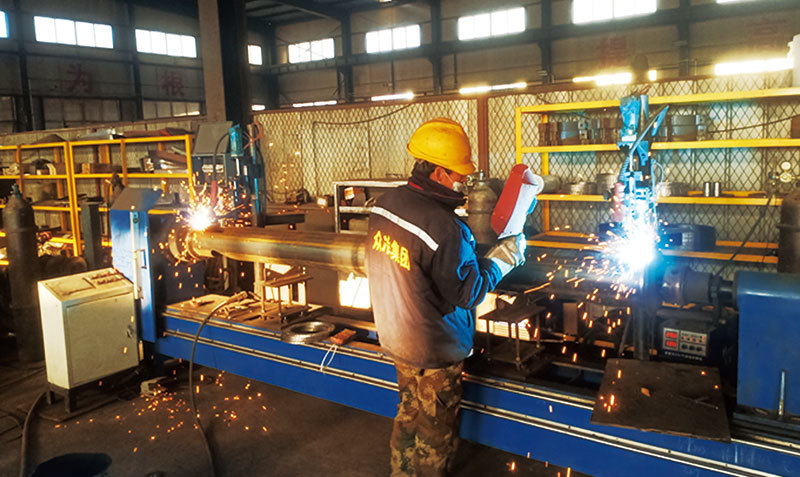
Yantai Zhongye Leading Green Building Materials Development and Setting the Benchmark for High-Quality Concrete Mixing
Jan 23,2025
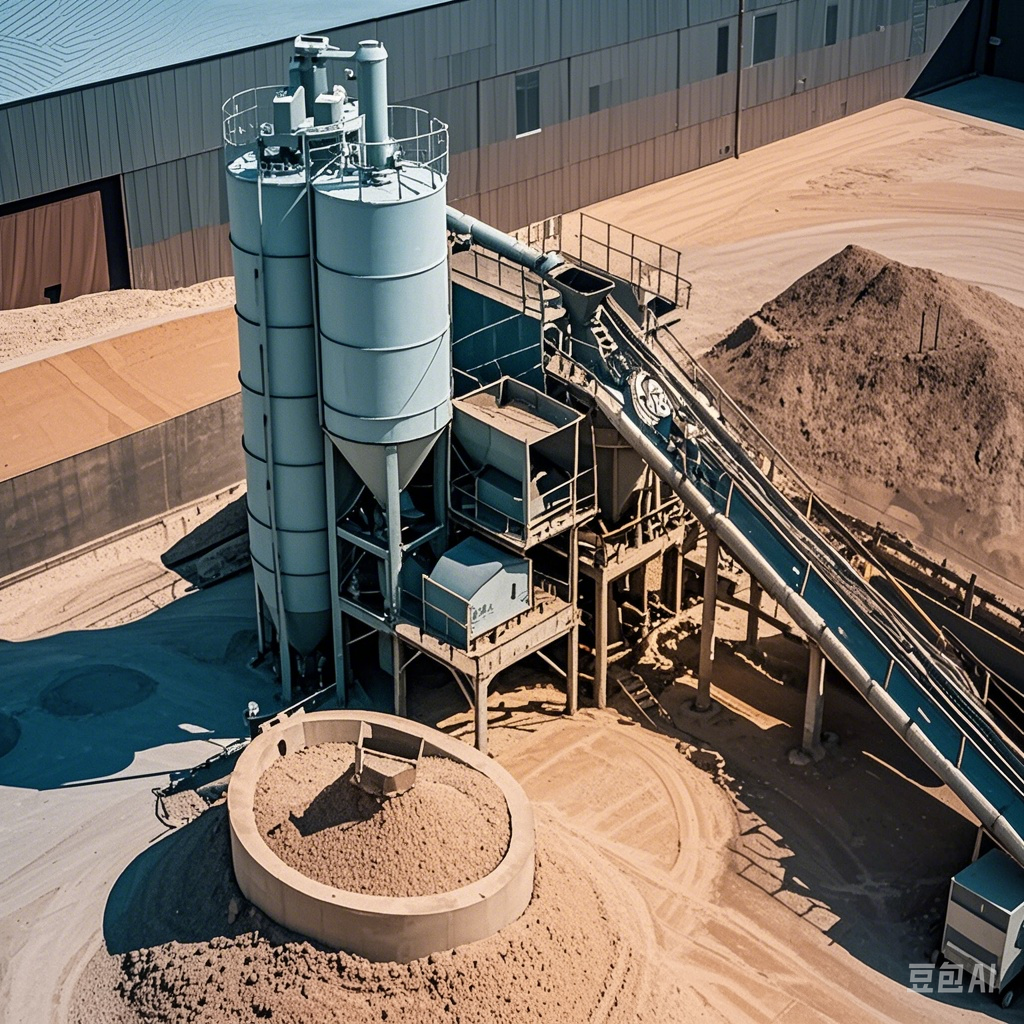
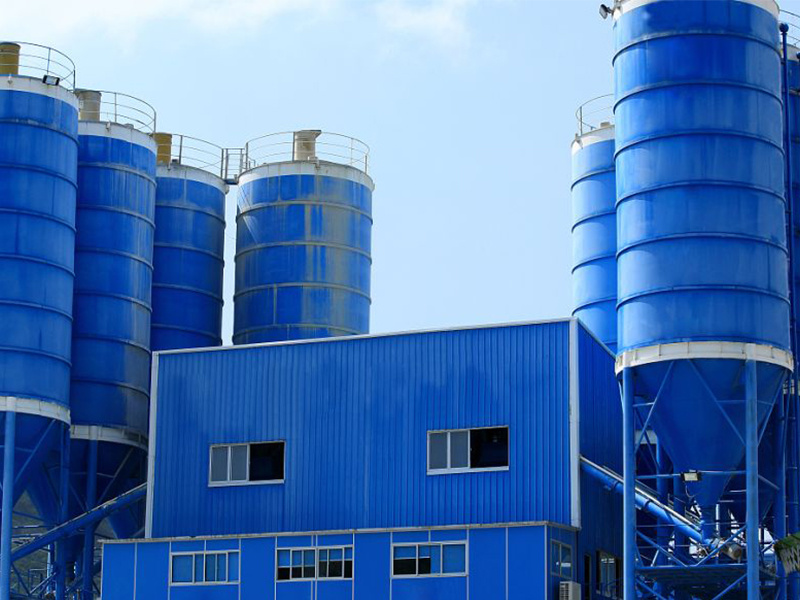
Vertical shaft mixer, concrete mixing station
Vertical shaft mixer has been more and more widely used in concrete mixing stations
Jul 30,2024
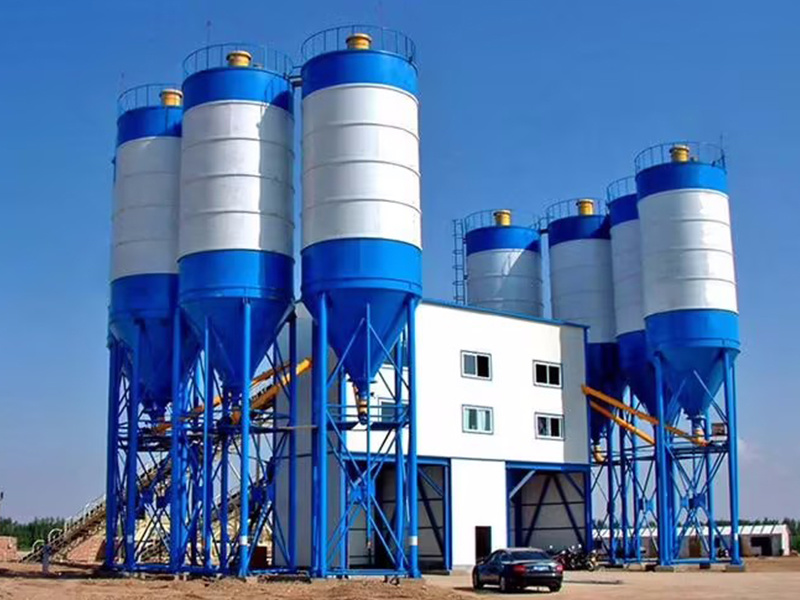
Concrete mixers and concrete batching machines are two kinds of machinery and equipment commonly used in the construction industry.
Jul 30,2024
YANTAI ZHONGYE EQUIPMENT AND MACHINARY CO.,LTD
WA:+86 19853565591
E-mail: barry@ytzymm.com
No.2 Guangdong Road, Haiyang Industry Park, Yantai City, Shandong Province