


29
2025
-
10
Understanding the Working Principle of Cement Silos
Cement Silos: The Unsung Heroes of Construction
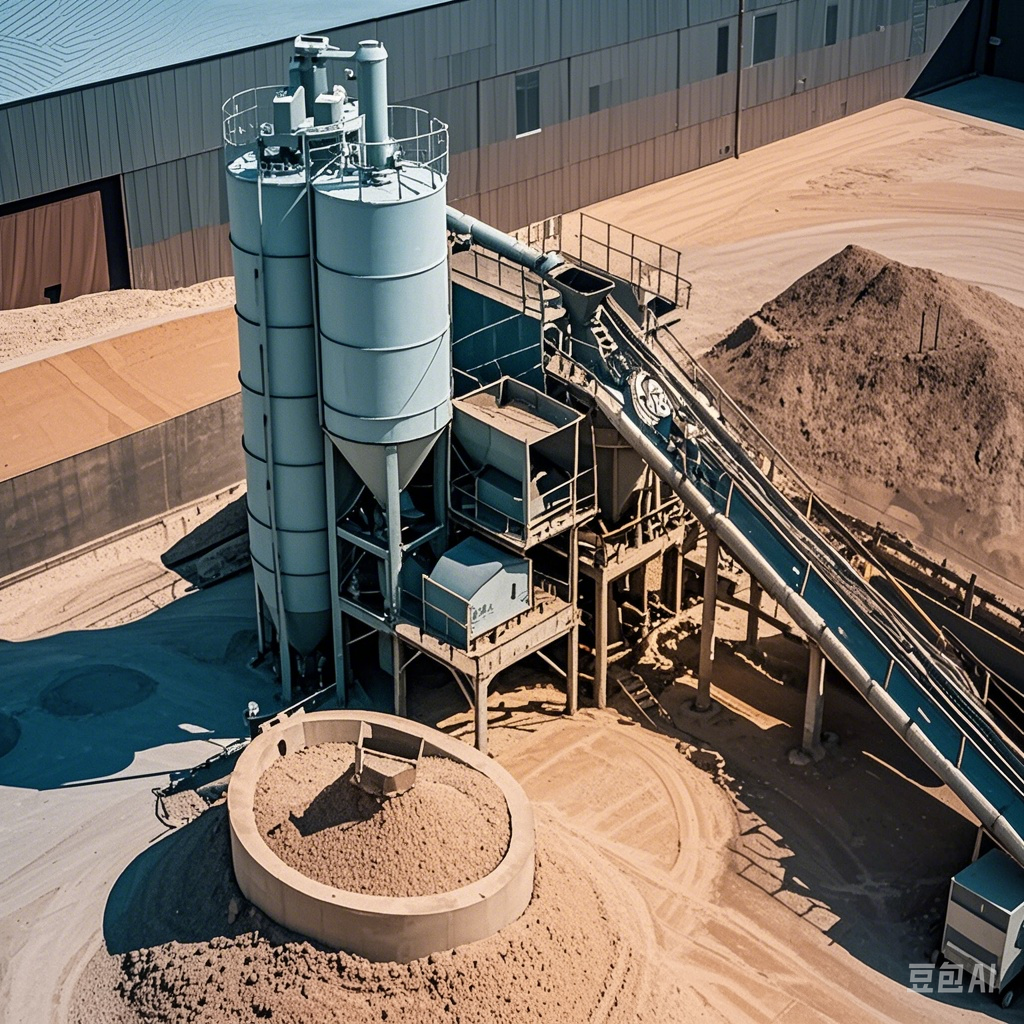
When you think of construction sites, towering cranes and bustling workers often come to mind. But lurking in the background, quietly storing the essential ingredient for concrete, is the Cement Silos—or in English, the cement silo. These towering structures play a pivotal role in the construction industry, yet they often go unnoticed. Let's dive into the working principles of these vital giants!
What is a Cement Silo?
Before we get into the nitty-gritty, let's clarify what a cement silo actually is. A cement silo is a large, cylindrical container designed for bulk storage of cement and other materials. Think of it as a giant pantry, but instead of cookies, it houses the fine powder that binds our buildings together. They come in various sizes and can be either stationary or portable, depending on the construction needs.
How Does It Work?
Ever wondered how those huge silos manage to keep the cement fresh and ready to use? Well, let's break it down:
- Storage and Preservation: Cement is hygroscopic, meaning it can absorb moisture from the air. The design of a Cement Silos ensures that the cement remains dry and free-flowing. The airtight seals and the sloped bottom help in preventing clumping.
- Loading and Unloading: When it's time to use the cement, it's typically loaded into a mixer or a truck. The silo is equipped with an auger or pneumatic system that efficiently transfers the cement out without causing spills.
- Monitoring and Control: Modern silos come with sophisticated monitoring systems. Sensors track the cement levels, ensuring that construction crews always know how much is left. Talk about high-tech!
The Importance of Cement Silos in Construction
Cement silos are more than just storage units; they are crucial for ensuring the efficiency of any construction project. Imagine a bustling construction site where the concrete mixer runs out of cement. Yikes! That would lead to delays and increased costs. Cement silos mitigate that risk by providing a steady supply of material right when it's needed.
Advantages of Using Cement Silos
Let's talk about some key benefits:
- Cost-Effective: Bulk storage of cement significantly reduces costs compared to smaller bags purchased individually.
- Efficiency: With a silo, there's no need for frequent trips to the supplier. This means less downtime and more productivity.
- Space-Saving: Silos are designed to fit into small spaces, making them ideal for urban construction sites where real estate is a premium.
Common Misconceptions
Despite their importance, many people have misconceptions about Cement Silos. Here are a couple of myths debunked:
- Myth 1: They are only for large construction sites. In reality, silos can be found in various settings, from small-scale projects to massive industrial operations.
- Myth 2: All silos are the same. Wrong! There are different types of silos tailored for specific materials and conditions.
Conclusion
So, the next time you drive by a construction site and see a cement silo towering over the scene, take a moment to appreciate its role. The Cement Silos is not just a storage unit; it's a cornerstone of modern construction, ensuring efficiency, safety, and cost-effectiveness. Who knew something so simple could be so essential?
水泥筒仓
Related News

Yantai Zhongye Leading Green Building Materials Development and Setting the Benchmark for High-Quality Concrete Mixing
Jan 23,2025
Vertical shaft mixer, concrete mixing station
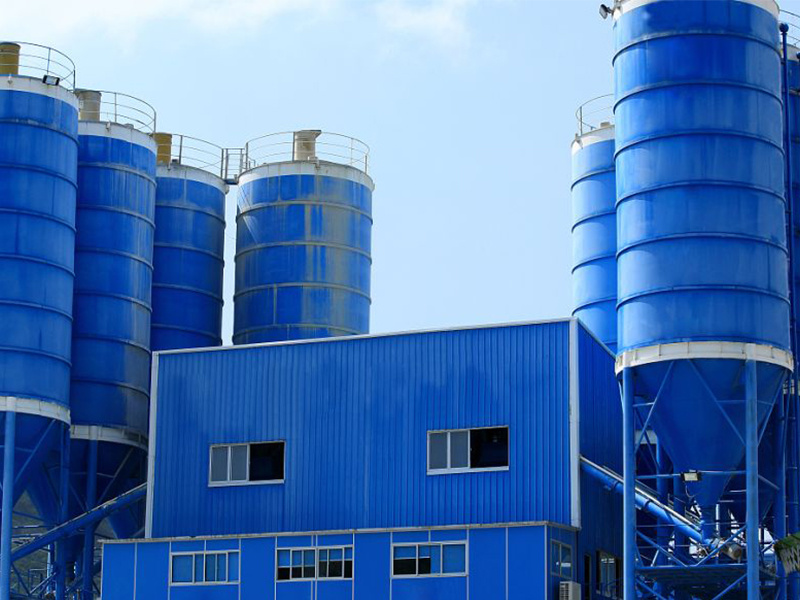
Vertical shaft mixer has been more and more widely used in concrete mixing stations
Jul 30,2024
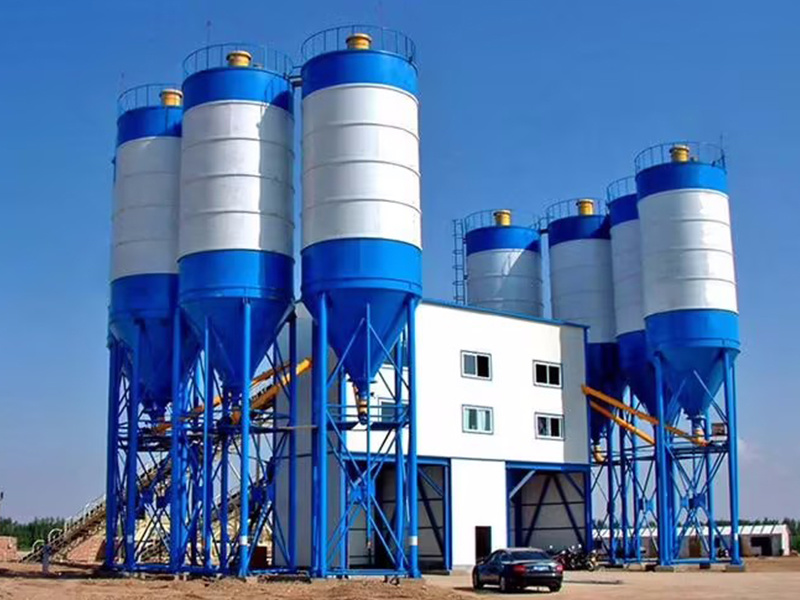
Concrete mixers and concrete batching machines are two kinds of machinery and equipment commonly used in the construction industry.
Jul 30,2024
YANTAI ZHONGYE EQUIPMENT AND MACHINARY CO.,LTD
WA:+86 19853565591
E-mail: barry@ytzymm.com
No.2 Guangdong Road, Haiyang Industry Park, Yantai City, Shandong Province