


22
2025
-
08
Common Questions About Concrete Mixers: What You Need to Know
Understanding Concrete Mixers
Hey there! If you've ever wandered into a construction site, you might have seen a concrete mixer (Concrete Mixer) in action. These heavy-duty machines are the unsung heroes of the construction world, mixing the essential ingredients that make up concrete. But there's more to these machines than meets the eye!
What is a Concrete Mixer?
At its core, a concrete mixer is designed to blend various components like cement, water, and aggregates (think sand or gravel) to create concrete. This process is crucial because the right mix ensures that the concrete is durable and suitable for a multitude of applications, from sidewalks to skyscrapers.
How Do Concrete Mixers Work?
So, how do these machines actually work? Well, it's all about the mixing mechanism. Most concrete mixers use a rotating drum that churns the ingredients together, ensuring a uniform consistency. Some models even come with adjustable speeds, letting you tweak the mix to perfection. Pretty neat, huh?
Common Questions About Concrete Mixers
1. What Types of Concrete Mixers Are There?
There are mainly two types: drum mixers and pan mixers. Drum mixers are the most common, ideal for large jobs. They're great at mixing large volumes quickly. On the flip side, pan mixers are more suited for smaller, precision jobs. Each type has its pros and cons, so it really boils down to the project at hand.
2. How Do I Choose the Right Concrete Mixer?
Choosing the right mixer can feel overwhelming, but it doesn't have to be! Consider the size of your project, the volume of concrete needed, and the type of mix you plan to use. If you're just doing a small DIY project, a portable mixer might be your best bet. However, for larger jobs, you may want to opt for a more robust model.
3. What Maintenance Does a Concrete Mixer Require?
Just like any other machinery, a concrete mixer requires regular maintenance to keep it running smoothly. After each use, make sure to clean out leftover concrete to prevent clogs and ensure longevity. Additionally, check the drum for any signs of wear and tear, and lubricate moving parts as needed. Simple, right?
4. Can I Use a Concrete Mixer for Other Materials?
Absolutely! While they're primarily designed for concrete, many mixers can also handle other materials, like mortar or even some types of plaster. Just keep in mind that different materials might require different mixing techniques or speeds.
5. How Much Does a Concrete Mixer Cost?
The price of a concrete mixer can vary widely, from a few hundred bucks for smaller, portable models to several thousand for industrial-grade machines. It really depends on the size, features, and brand. Always do your homework and compare prices before making a purchase!
Final Thoughts
So there you have it! Whether you're a seasoned pro or a weekend warrior, understanding the ins and outs of concrete mixers can make a world of difference in your projects. Remember, the right mixer can save you time, effort, and ultimately, money!
Got more questions? Feel free to drop them in the comments below! And happy mixing!
混凝土搅拌机
Related News
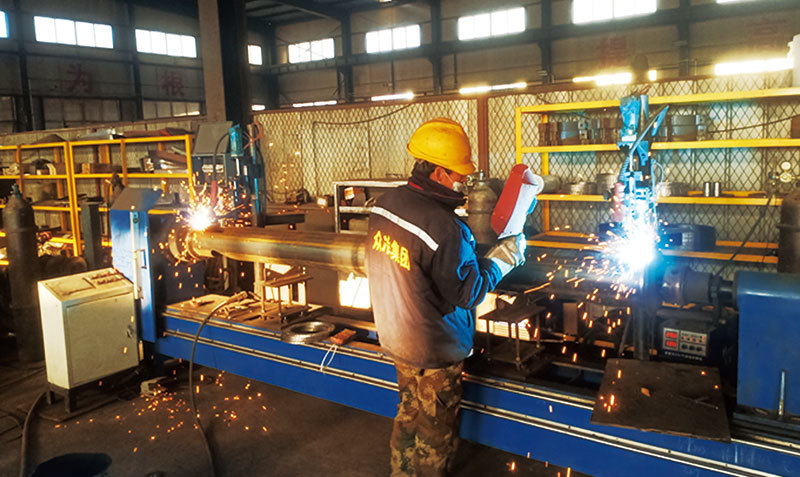
Yantai Zhongye Leading Green Building Materials Development and Setting the Benchmark for High-Quality Concrete Mixing
Jan 23,2025
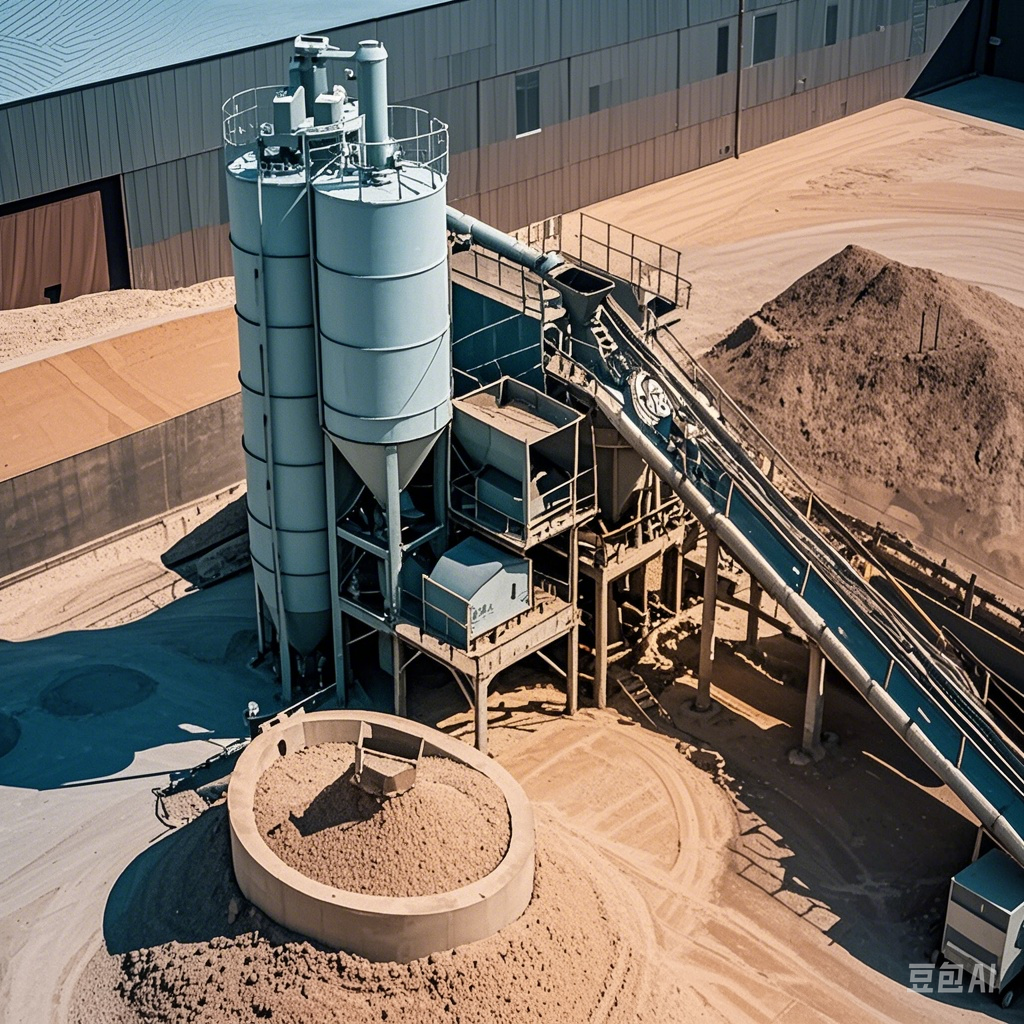
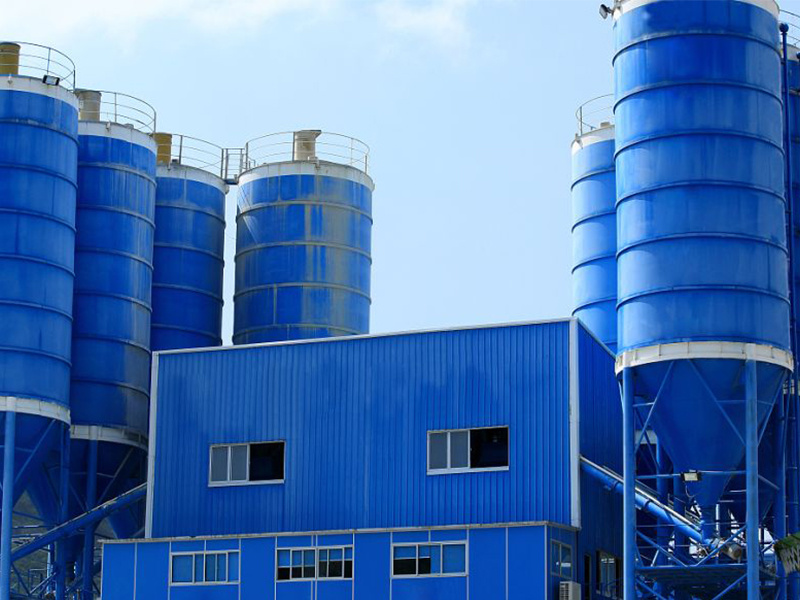
Vertical shaft mixer, concrete mixing station
Vertical shaft mixer has been more and more widely used in concrete mixing stations
Jul 30,2024
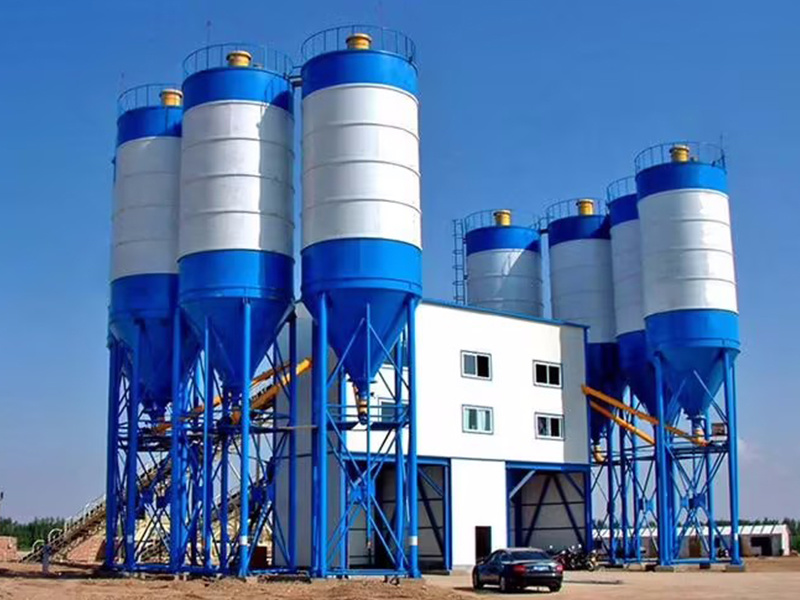
Concrete mixers and concrete batching machines are two kinds of machinery and equipment commonly used in the construction industry.
Jul 30,2024
YANTAI ZHONGYE EQUIPMENT AND MACHINARY CO.,LTD
WA:+86 19853565591
E-mail: barry@ytzymm.com
No.2 Guangdong Road, Haiyang Industry Park, Yantai City, Shandong Province